Try the sound-making action first
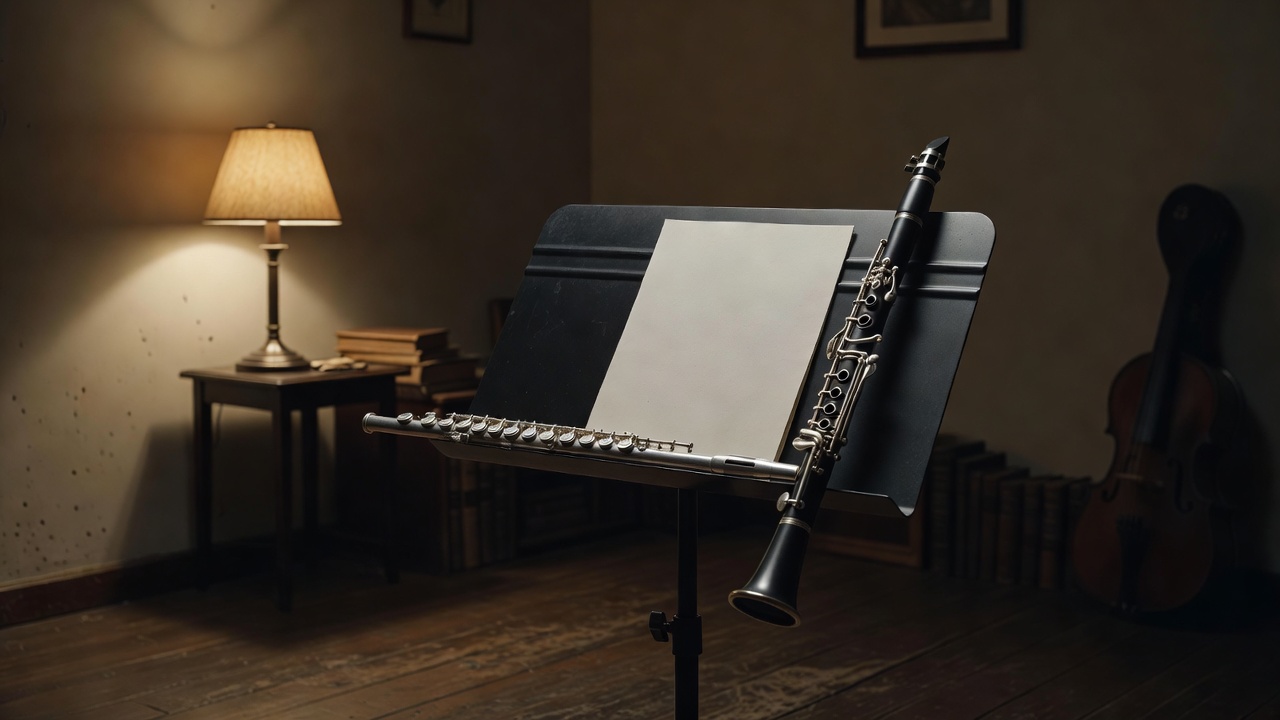
Wind instruments do not all ask you to blow in the same way. A recorder directs air through a built-in windway. A flute asks you to guide an airstream across an opening. A clarinet or saxophone uses a vibrating reed, while a trumpet relies on the player's vibrating lips. A short supervised trial can make these differences much clearer than a specification sheet.
Producing a first sound and controlling a beautiful sound are different milestones. An instrument that speaks quickly may still demand careful work on pitch, articulation and tone. Choose the sound and musical role you want to explore, not just the promise of an easy first note.
Check reach, balance and support
Hold the instrument in a realistic playing position. Can your fingers cover the holes or reach the keys without strain? Does its weight rest comfortably? A flute is held to the side, while a clarinet is held in front and a saxophone usually uses a strap or other support. Each arrangement creates different demands on your arms, neck and hands.
An instructor can help with instrument size, support equipment and suitable alternatives. If you have respiratory, dental or musculoskeletal concerns, seek advice from an appropriate qualified professional as well as a teacher. Do not treat discomfort or breathlessness as evidence that you must simply work harder.
| Instrument | Sound-making task | Daily consideration |
|---|---|---|
| Recorder | Controlled air through a windway | Hole coverage and gentle articulation |
| Flute | Air directed across an edge | Sideways holding position and moisture removal |
| Clarinet | A single reed vibrating on a mouthpiece | Reed care and careful assembly |
| Saxophone | A single reed with supported instrument weight | Strap fit, reeds and swabbing |
| Trumpet | Lip vibration into a mouthpiece | Sound projection and valve care |
Make a realistic sound agreement
Wind instruments can carry clearly through a home. A recorder is not automatically a quiet choice, and practising a saxophone softly still requires technique. Unlike many digital keyboards, acoustic wind instruments do not offer a simple headphone mode.
Some brass instruments can use practice mutes, which change resistance and sound. They are not a universal solution and do not remove all noise. Systems marketed for reducing woodwind sound vary substantially. Test the actual arrangement and consult your teacher rather than assuming an accessory makes any instrument apartment-friendly.
If unrestricted practice is impossible at home, ask about rehearsal rooms, lesson studios or local community music spaces. Availability and rules vary. A manageable external practice arrangement may make your preferred instrument more realistic than buying something you do not enjoy simply because it fits in a drawer.
Understand reeds and recurring care
Clarinet and saxophone reeds are consumable parts. They can chip, wear or vary in response. Reed strength is not a ranking of musical ability: the suitable choice depends on the mouthpiece, reed design and player. Ask for a beginner-appropriate combination and learn how to attach the reed without damaging its thin tip.
Remove moisture after playing according to the instrument's instructions. A swab must be appropriate for the instrument and used correctly; forcing an unsuitable cloth through a narrow section can cause problems. Protect keywork during assembly and avoid pressing delicate rods as handles. Pads, corks and mechanisms may eventually need professional servicing.
Give your ears useful examples
Listen to Michala Petri for recorder, Emmanuel Pahud for flute and Sabine Meyer for clarinet. John Coltrane and Alison Balsom offer distinct examples of saxophone and trumpet playing. These artists show the expressive range of their instruments, not a standard you must reach before you can enjoy making music.
Notice how notes begin, continue and end. In lessons, you may hear articulation used for how a note starts or connects to the next. A gentle, coordinated start often needs less force than a beginner expects. Focus on a comfortable, repeatable sound before chasing volume or an extreme range.
Keep the first routine comfortable
Begin with easy sounds and generous pauses. Your lips, hands and breathing coordination are learning a new task. Stop if you become dizzy or uncomfortable, and ask for help if symptoms persist. A long continuous session is not proof of effective practice.
Instrument hygiene also matters. Do not share mouthpieces or reeds casually. Ask a reputable shop how trial instruments are cleaned and follow appropriate cleaning instructions yourself. Never boil, soak or disinfect parts indiscriminately; materials and mechanisms respond differently.
A suitable rental can be useful while you discover how an instrument fits your life. Check servicing, damage responsibility and return conditions before agreeing. Whether you rent or buy, a reliable instrument and informed guidance are more useful than a prestigious name on a case.
Terminology: embouchure, articulation and transposition
Embouchure is the coordinated use of the lips and surrounding muscles in producing sound. Articulation concerns how notes begin and connect. Transposition means written and sounding pitches may differ; use learning material intended for your instrument.